

From Croatia to Brazil - bringing AI education to classrooms in Pará
Stemi’s AI education program reached public schools in Pará, Brazil, bringing hands-on learning, chatbot creation, and future-ready digital skills to 1,765 students. The pilot showed strong engagement, high lesson completion, and enthusiastic feedback from both students and teachers, proving that quality AI education can cross borders and create real impact.
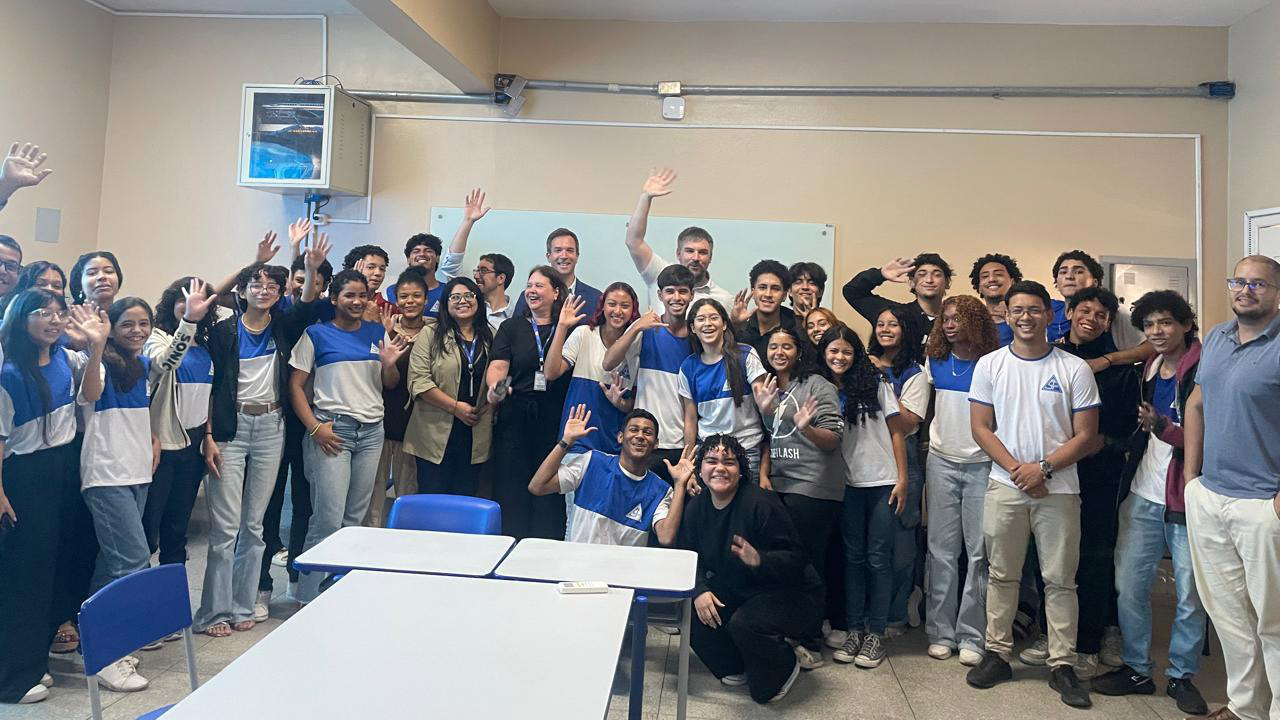
Stemi completed a pilot implementation of its hands-on Artificial Intelligence Program in public schools in the state of Pará (Brazil), bringing the Croatian-developed AI education into the classrooms in Latin America.
The pathway to Brazil began during an Inter-American Development Bank (IDB) supported study visit to Croatia in June 2024, organized with Croatia’s Ministry of Finance and the Ministry of Science and Education.
The visit brought a delegation of ministers, state secretaries, and education officials from multiple Latin American countries to explore approaches to development of digital skills and AI education amongst the youth. During this visit Stemi presented its AI education model and results, helping spark interest in localizing and piloting the program in Brazil.
“Our many years of experience and the concrete results we achieved in Croatia and on the international markets made a strong impression on the participants. In the following weeks, representatives of the IDB enabled localization and piloting of the program while collaboration with the local education partner Sincroniza Educação, alongside Pará’s state education and science authorities helped the successful launch of the pilot in the state of Pará, Brazil.” – Marin Trošelj, Stemi
- Before the pilot, many students in public schools in Pará had limited exposure to new technologies, and in particular little to no understanding of artificial intelligence. Teachers and classroom observations showed that for most students, AI was not just “new” – it was largely unknown; they didn’t know how it works, what it’s for, or how it could be used in everyday life or learning.
- In parallel, we noticed a broader foundational challenge: lower digital literacy, especially around understanding digital tools, their purpose, and how to use them intentionally. Students often used technology as a “black box” – without seeing it as something they can question, control, or apply creatively and critically.
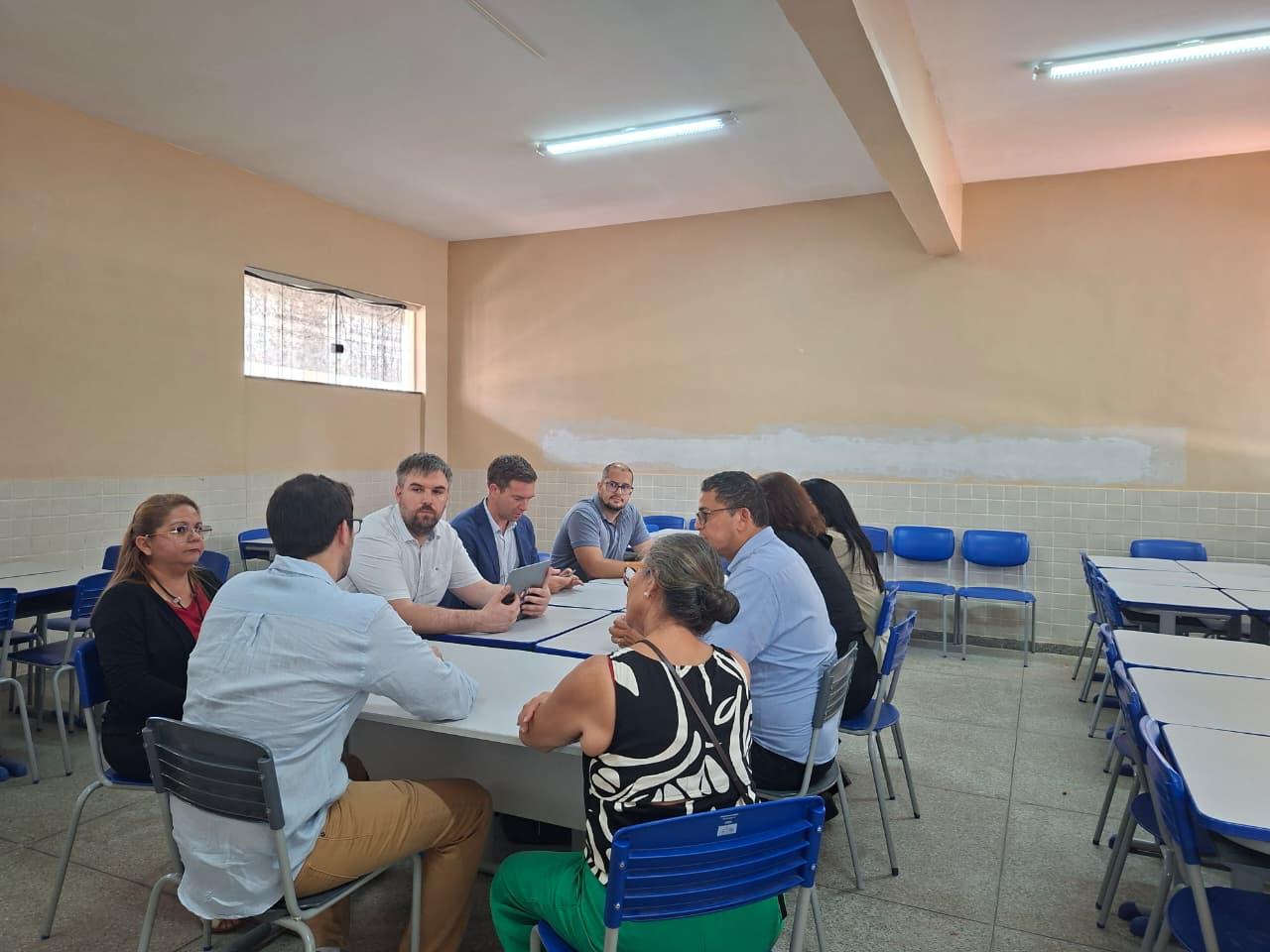
Therefore, the identified problems we aimed to tackle with this pilot were:
- AI felt abstract and inaccessible & students lacked a first meaningful entry point
- digital tools were used without understanding limiting students’ ability to learn, create, and think critically
- students needed a practical pathway to build confidence and future-ready skills, not just theoretical awareness
In the proof-of-concept phase conducted March-June 2025, we adapted and piloted Stemi’s Artificial Intelligence curriculum (powered by Infobip technology) in 3 Brazilian schools. With the help from local implementation partner Sincroniza Educação, the curriculum was further refined according to the feedback during the POC phase – making it ready for a successful pilot launch in September 2025.
The aim was to make Artificial Intelligence simple and fun, practical, and meaningful, while strengthening foundational digital skills through classroom practice.
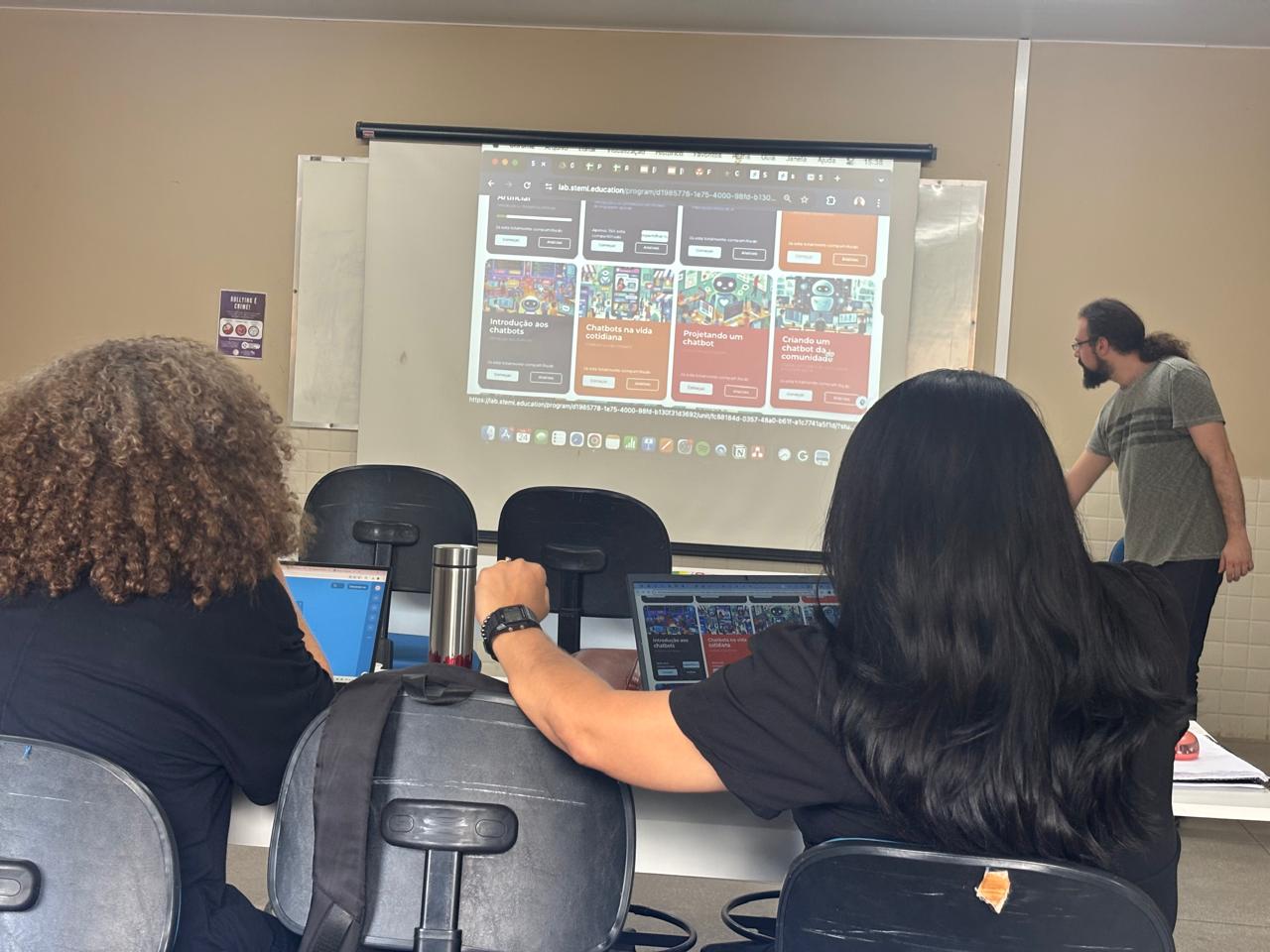
The solution included:
- hands-on learning first – students learned through short, structured activities designed for practical application rather than theory-heavy instruction
- building chatbots to address their local community needs served as the anchor project – students created purposeful chatbots to understand conversational logic, learn how to interact with AI systems, and practice clear prompting while taking into consideration ethical principles
- Teacher enablement alongside student learning – teachers were supported to facilitate delivery in real classroom conditions, adapting to mixed starting skill levels and infrastructure constraints
- continuous feedback and evaluation – the program combined platform analytics with surveys and direct feedback gathering in schools
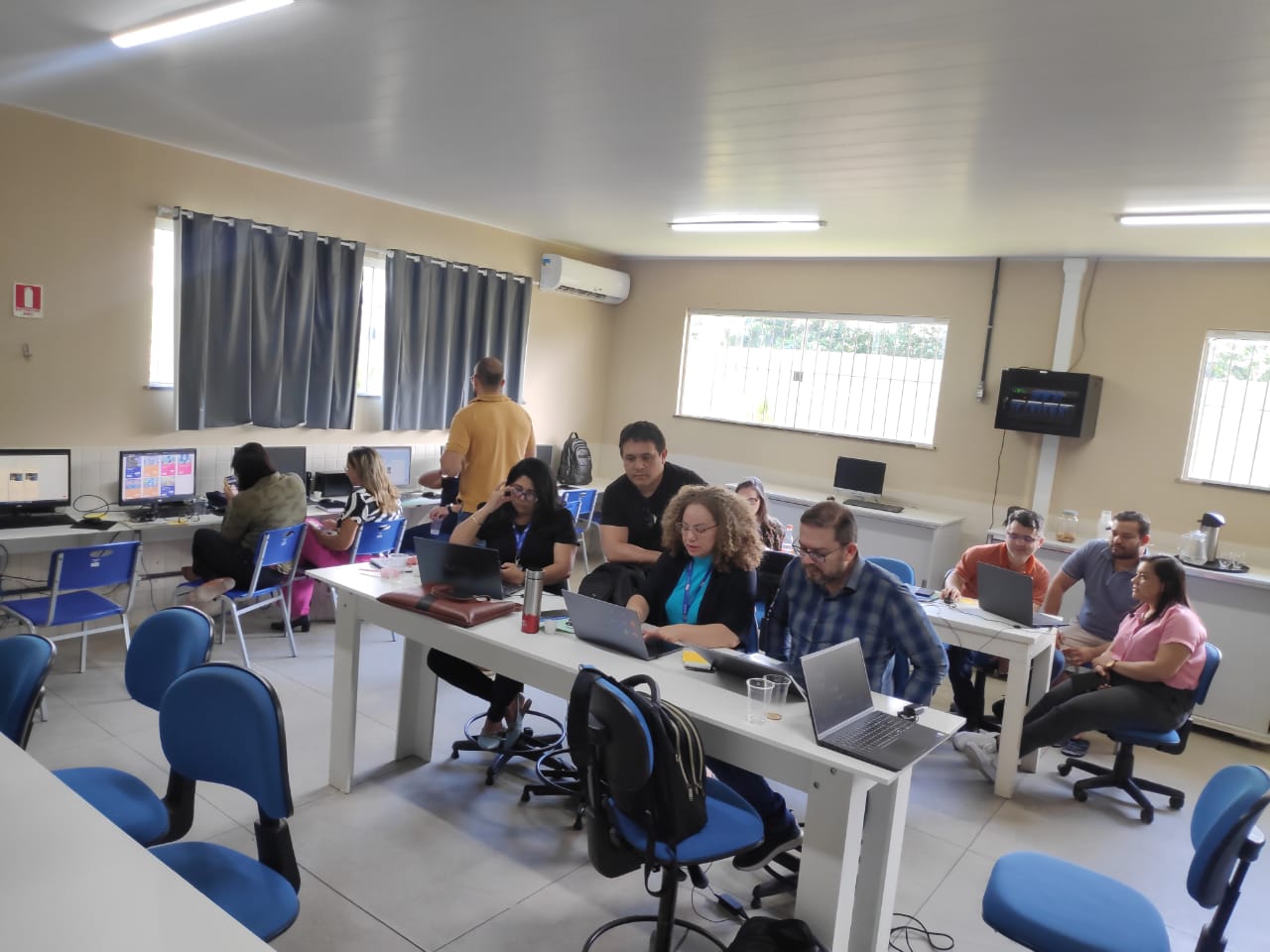
While infrastructural and access conditions (devices/connectivity) influenced how consistently students could work on the digital platform, the core challenge we tackled was the knowledge and digital skills gap – and the pilot showed that when students had access, motivation and completion were exceptionally strong.
Reach & activation
- 1,765 students enrolled across 46 classes on the platform
- 18 teachers facilitated the program
- ~70% of classes were active
- ~57% of enrolled students accessed the platform individually
The last metric can look concerning without context and the pilot data shows why this happened, and why it does not reflect low motivation:
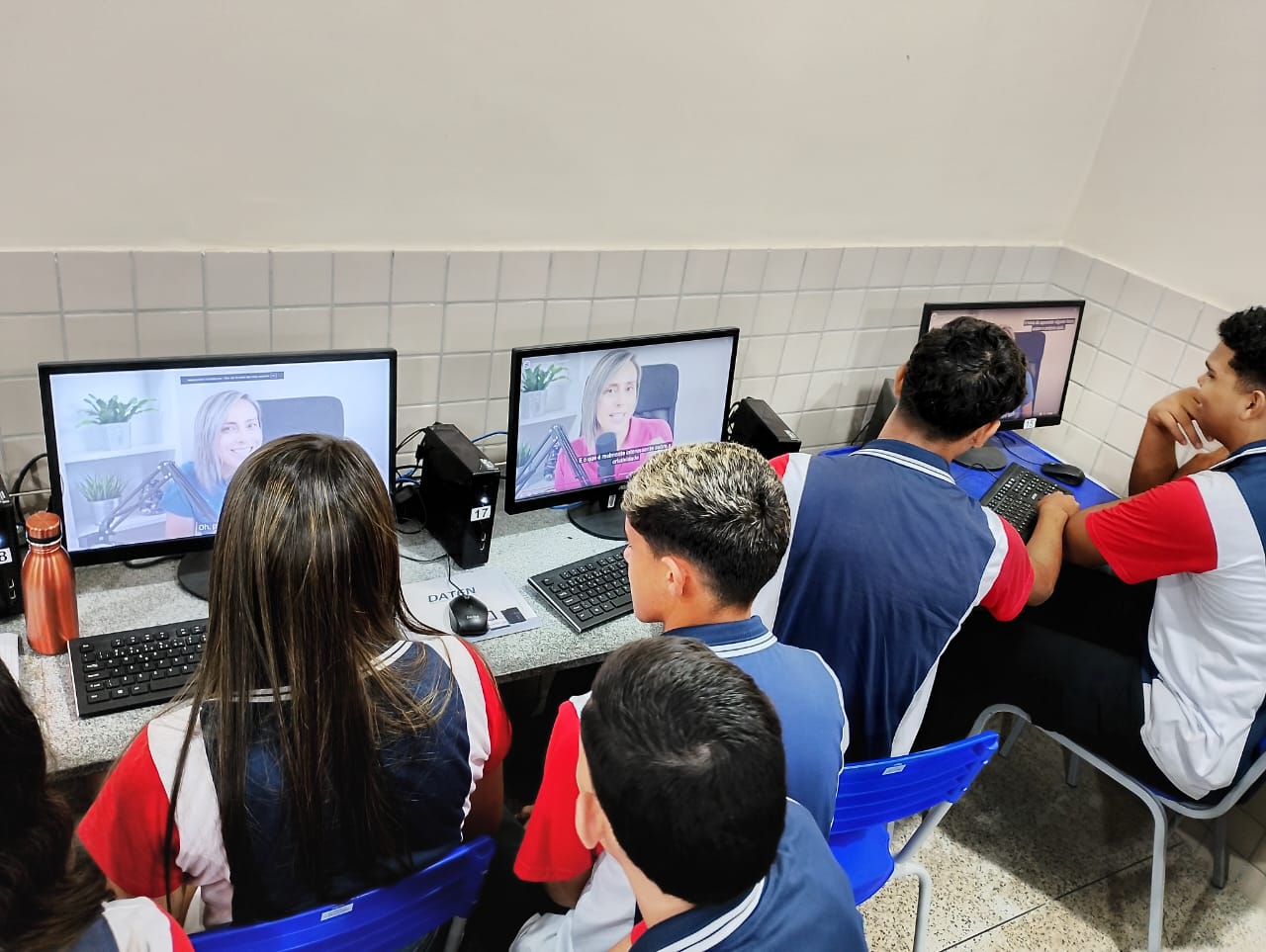
- individual access was constrained mainly by limited devices, shared classroom access models, and unstable connectivity
- once students were able to access content, they showed exceptionally strong persistence as shown in the engagement & project outputs
Engagement & project outputs
The classroom photos showed us that the students mostly worked in teams of 2-4 students.
The platform recorded:
- 1,512 lessons opened from which 1,478 completed
That’s a remarkable ~98% completion rate once lessons were started – a clear sign of persistence when access was available.
175 chatbot solutions were created with the following complexity distribution:
- 72 initial-stage chatbots
- 44 intermediate chatbots
- 59 comprehensive chatbots (with 6+ structural elements)
“Beyond these remarkable statistics and feedback being a major personal recognition of our work, this success is also a proof that even a small country like Croatia can have a global impact in the field of youth education.” – Stemi team
Satisfaction survey
- 88% of surveyed students are satisfied with the AI course and would recommend it to their friends
- 86% of surveyed students reported the AI course made them more interested in learning about AI or technology
- 100% of surveyed teachers reported at least 4/5 satisfaction with the course materials & support and would recommend it to their colleagues
Student feedback on the platform reflected surprise, curiosity, and relevance:
“I thought it would be bad, but it was actually really good.”
“I liked creating chatbots, because I think it’s a very good market to work in.”
The platform also captured engagement at scale: across 16,287 in-platform impressions, more than 9,700 were positive, and “inspired” appeared 2,300+ times across combinations.
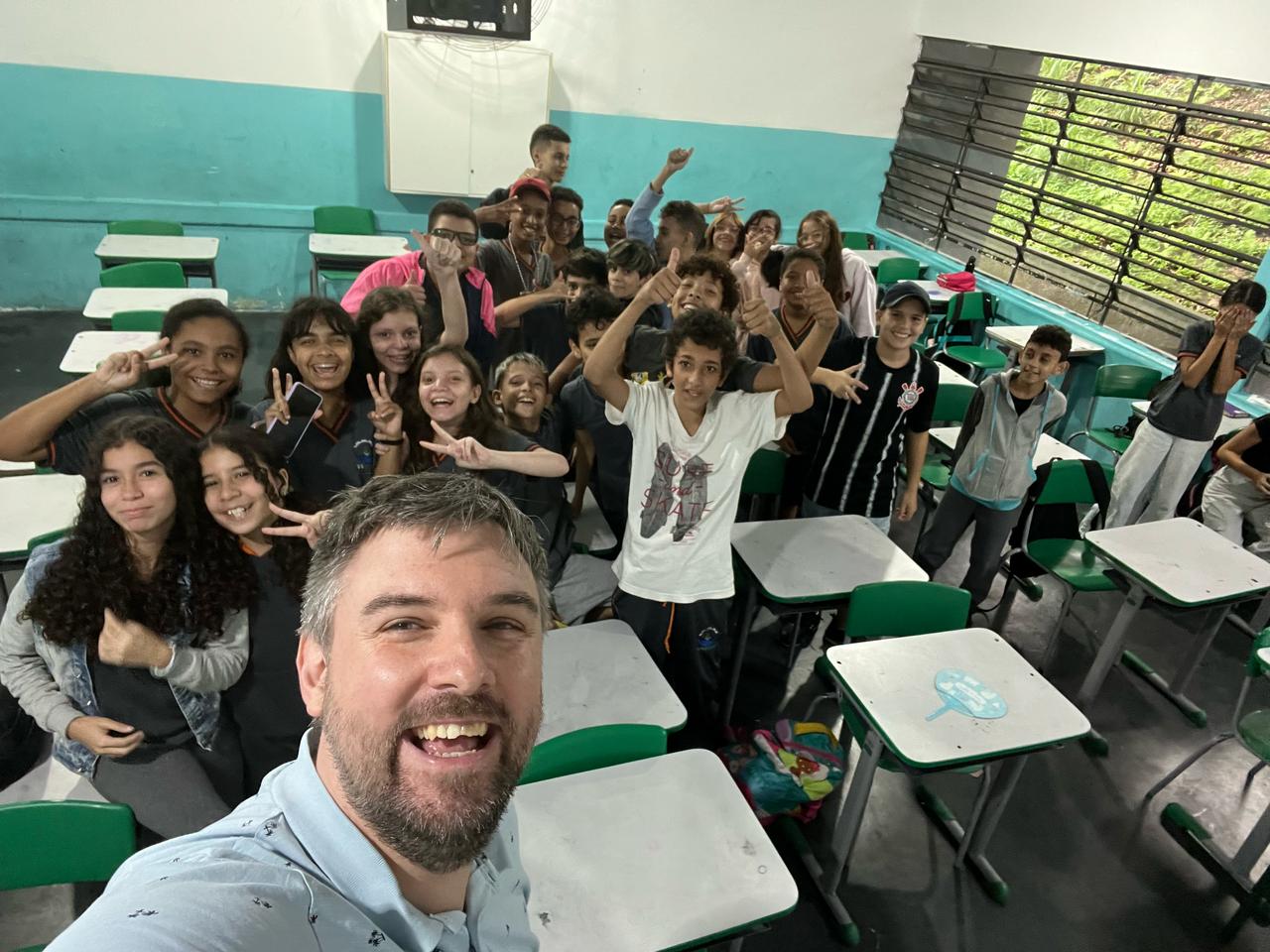
Teachers reported strong engagement, especially during chatbot creation and practical activities, and some schools even organized events to showcase student work.
Conclusion
Beyond the pilot outcomes themselves, the program demonstrated that impactful Artificial Intelligence education can be scaled internationally when strong institutions align around quality and equity. And it set a clear direction for continuation and growth:
“Alongside this initiative, we’ve also started discussions about a regional project, with the goal of making our platform a key educational ecosystem for developing technology talent across Latin America.”
— Marin Trošelj
The pilot insights showed us strong program design and student interest, and while the successful pilot in Brazil makes us hopeful, the experience is showing that the further scaling of the project in Latin America is going to also largely depend on improving access conditions (devices / connectivity) in the schools.